

I see a pattern in early-stage companies that is easy to miss because it looks like maturity. Teams borrow processes that work later, when an organization is larger and roles are more specialized, and they apply them far too early. The result is usually slower decisions, fuzzier accountability and a false sense of precision.
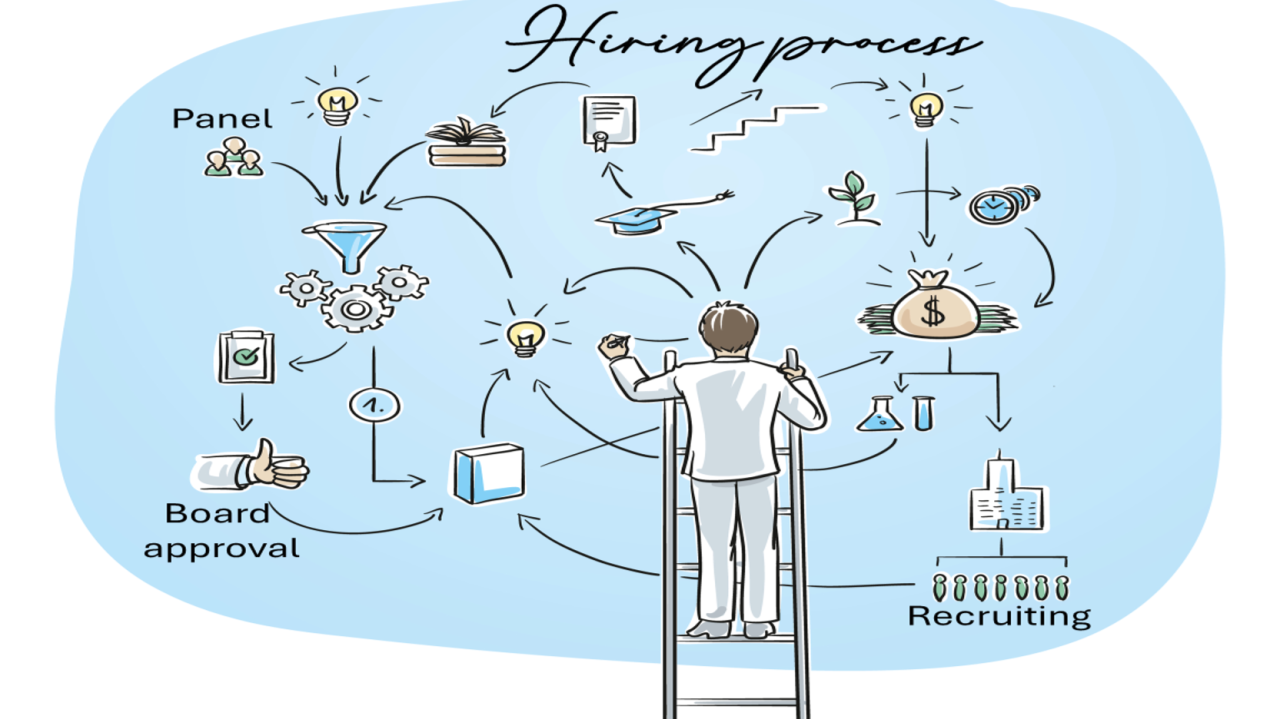
Hiring is the clearest example. An early-stage team will run a candidate through a long loop, collect a wide set of opinions, build a weighted scorecard and average numbers that were never truly comparable. On paper, the process looks disciplined. In reality, it often hides the most important step: choosing what the company actually needs right now and being willing to trade everything else off against it.
At an early stage, you do not have the luxury of optimizing for the ideal version of a role. You are hiring for the version of the role that exists in your company today, under your constraints: limited management bandwidth, incomplete information, constantly shifting priorities and a pace that does not leave room for long onboarding ramps. That means the right move is usually to be explicit about one or two attributes that truly matter and to hire relentlessly for those.
The thing that slows teams down is the discomfort of saying those priorities out loud. It can feel risky to commit to “we need someone who can operate without support” or “we need someone who can talk to customers credibly” or “we need someone who can ship and iterate fast.” So teams soften the decision with a framework. They try to convert a hard call into a neat, multi-variable equation. The weights feel rational, the rubric feels fair, and the outcome looks objective.
But early on, those scoring systems often create a false sense of precision. The weights are usually guesses. The categories blend together. Candidates cluster close enough that the math does not help. Then the team either stalls or defaults back to gut instinct anyway, just later and with more fatigue.
None of this is an argument against rigor. It’s an argument for stage-appropriate rigor.
As companies grow, the problem changes. Coordination cost becomes real. Multiple interviewers need a shared language. Hiring managers need consistency across roles. You need fairness and repeatability, not just speed. At that stage, structured scorecards and clearly defined evaluation criteria start to earn their keep. They help an organization scale decisions beyond one person’s judgment and memory.
The mistake is pulling that complexity forward before the company has the size, signal and stability to benefit from it.
So if you’re operating early-stage and you feel stuck in frameworks, rubrics and decision matrices, it’s worth asking what they’re really doing for you: are they improving the decision, or are they helping the team avoid committing to the tradeoffs that the stage demands?
Early-stage leadership is often less about inventing sophisticated process and more about being clear on what matters most, deciding faster than feels comfortable and accepting that you will never have perfect information.
Then –> when the company is ready <– add structure… not because it feels professional, but because the organization needs it to keep making the best/right decisions fast.